All Categories
Featured
Table of Contents
Any cost optimization design constantly aims to minimize waste to take full advantage of savings in financing growth-oriented initiatives such as the release of improved feature updates. Improved success: Through effective operation and not-so-wanted expense decrease, complimentary aid is known for costs on development efforts and fundamental enhancement. Boosted capital: Enhanced operations would help a business handle its money circulation pleasingly, developing the ability of the business to tide over the economic slowdown and giving it a window for getting unforeseen chances.
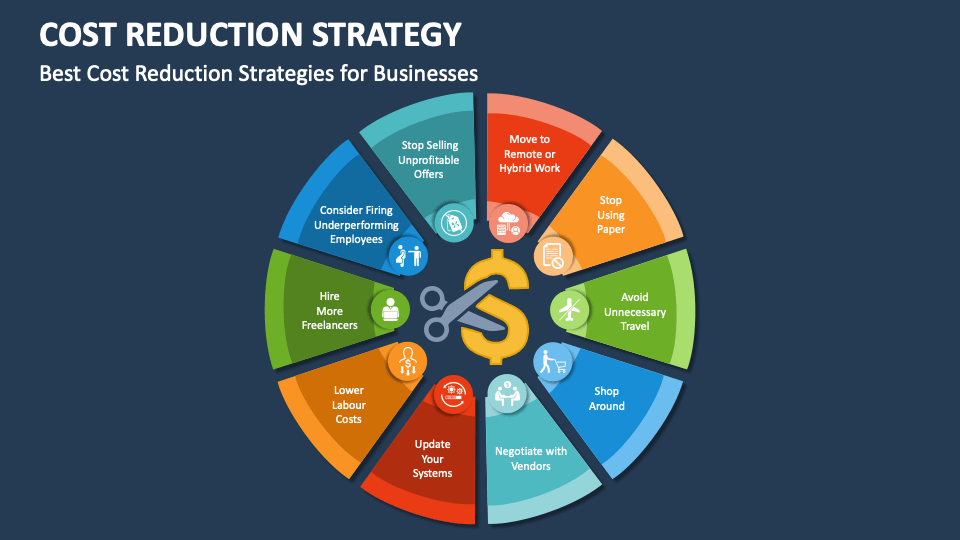
Sustainability and ecological advantages: Of course, all these cost-optimization methods benefit the environment, reducing waste generation and resource intake. Businesses can use in-depth cost decrease strategies to minimize costs. A few of these are as follows: Supplier Renegotiation: Renegotiates the regards to providers' agreements to obtain more advantageous terms, prices, or volume discount rates.
Improved Staff Scheduling for Busy Retail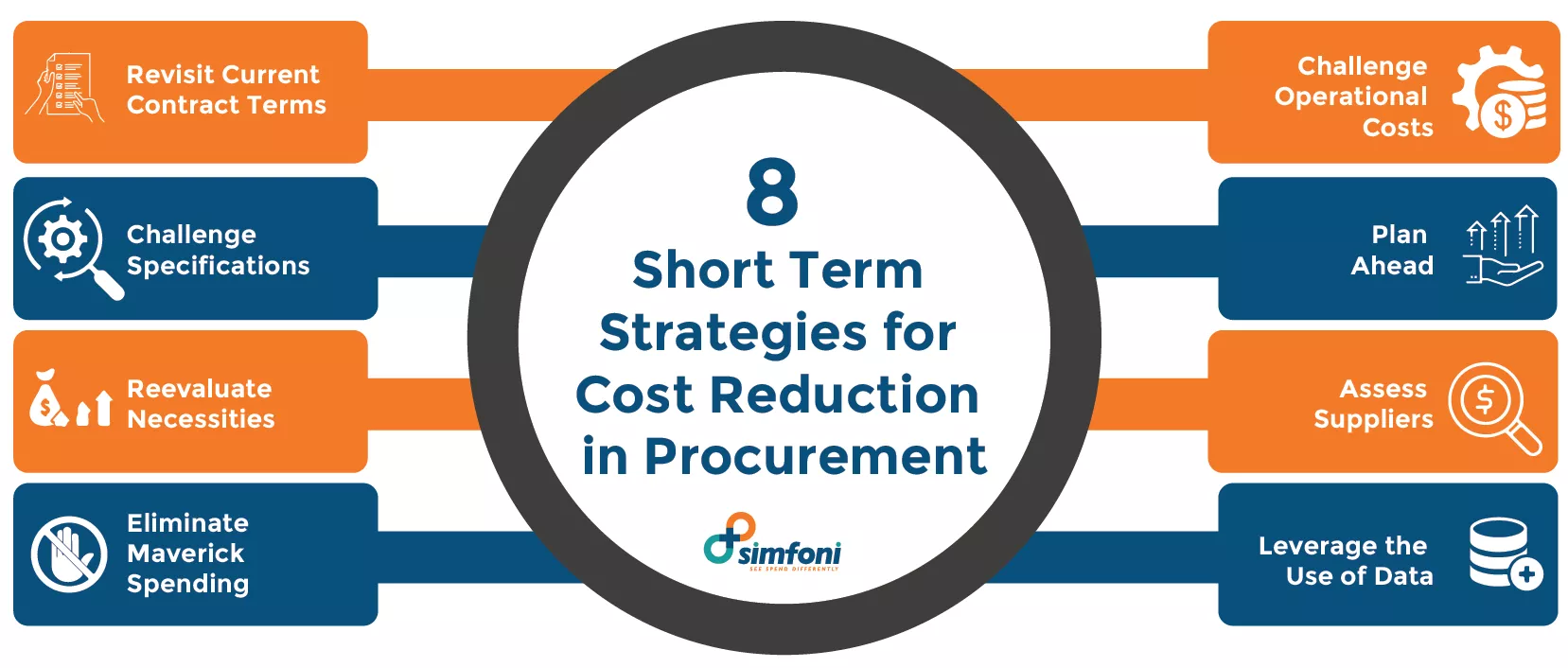
A retail organization may renegotiate provider terms to acquire a 10% reduction in item costs, boosting its margin. Businesses can make many small everyday adjustments to assist lower costs.
Inventory Optimization: Lower stock levels, boost inventory turnover, and invest in need forecasting tools. This would enable the firm to minimize storage costs and alleviate overstocking problems.
Lessening Waste: Proper inventory management, avoiding scrap products, and improving operating treatments decrease waste in both production and services. Contracting Out Non-Core Activities: Payroll, marketing, and IT can be contracted out to 3rd parties so that business can focus on its core proficiencies and avoid overhead costs. Optimizing Resource Allocation: Enhance Resource Usage and Better disperse resources.
Future-Proofing Your Finances With Smart Accounting Tips
In payroll processing outsourcing, the business eventually conserves time and cash but guarantees its payroll meets the state's laws or requirements. Technologies are the critical enablers of cost optimization and cost effectiveness, and by utilizing the ideal innovation, firms can streamline operations, decrease long-term expenses, and reduce waste.
It, in turn, provides scalable, versatile solutions that are flexible to the dynamic business needs. Data Analytics: Applied organization intelligence and information analytics tools assist keep an eye on businesses' expenses, tracking inefficiencies and locations where prospective savings are likely.
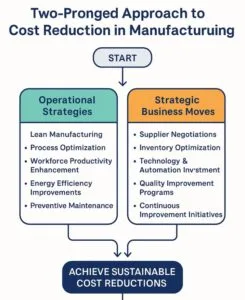
Some steps through which such a strategy can be developed include: Evaluate Present Operations: Identify ineffectiveness and areas where potential cost savings might be achieved in all aspects of organization. Define Clear Goals: Specify measurable objectives around cost conserving, increased operational effectiveness, and resource optimization and supply clear marks. Develop a Phased Strategy: Prepare a phased prepare for expense optimization, beginning from where the most substantial impact will be and continuously improving with time.
For example, a company may start conserving money on energies through energy conservation and then continue to automation in the vital operational sectors. Cost optimization is not a one-time fix; it is an ever-implemented strategy in business to contend and remain profitable in a fast-moving, changing market. For that reason, business will enjoy strong and sustainable growth with time, making them profitable.
Prime Source Expenditure Specialists concentrates on customized expense optimization options, focusing on providing outcomes through minimizing costs for businesses while keeping effectiveness at its optimal potential. Contact us today to find out how we can help you support your cost-reduction technique and drive sustainable growth for your company. Contact our today and set the stage for the rewarding future of your business.
2026 Business Loan Requirements Every Owner Must Know
While general cost-cutting would cut expenses, it might not question specifically the individual's effectiveness or quality or cut costs in general. At a possible expense to the business in the long run, operational expense optimization increases the performance of operations without quality compromise. Cost-cutting would hurt operations just when it is not collaborated correctly, that is, if it kills quality or the workers' morale.
Some examples are the renegotiation of supplier agreements, the automation of business processes, the optimization of inventory management, and energy usage through sustainable methods. Michael is an accomplished leader with deep expertise in the health care sector. As the CEO of Prime Source, he has actually driven development and tactical growth in healthcare procurement and management.
Michael is enthusiastic about exploring the intersection of company and healthcare, providing believed management that forms the future of the field.

Latest Posts
Is Operational Automation the Key to Reduce Costs?
Smart Staff Scheduling Strategies for Peak Productivity
Improving Store Operations for Financial Success